
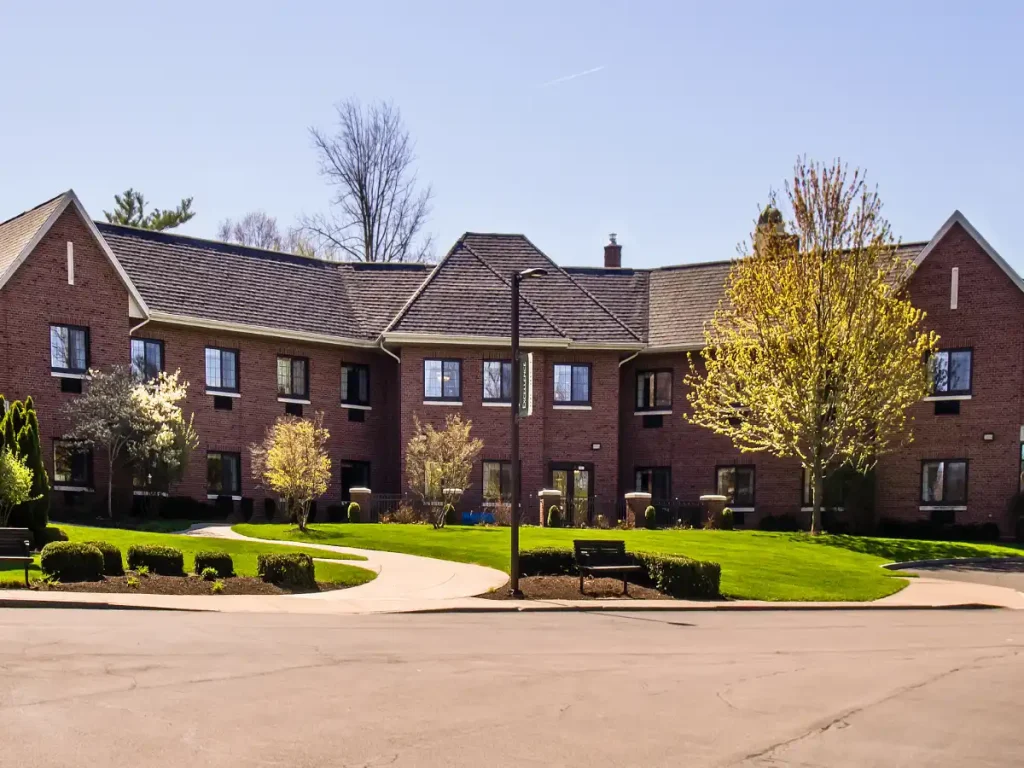
As a person gets older, they need to consider whether they can continue to live in their own home or whether they need additional support. Thankfully there are quite a few types of care for older people to choose from. They include aging in place, retirement communities, independent living, sheltered housing, assisted living, close care housing, home care, live in care, day care, residential care, nursing homes and specialised care.
Independent living
Remaining independent for as long as possible is extremely important for many of the people we talk to at Jothno Care & Support. It can be difficult to admit that it is getting more difficult to manage daily household tasks or personal care. We encourage service users to continue to do as much as they can for as long as they can to prevent boredom and physical weakening.
- 1. Aging in Place – older adults can continue to live independently in their own homes with support from family, friends or professional carers. Suitable home modifications and assistive technologies can help make this option safer and more comfortable for the user and reassuring for their family. If family and friends are unable to provide help, professional carers can be called in to provide care in the home. This can be temporary (respite care), part time (home care) or permanent and full time (live in care).
- 2. Retirement communities – these are often purpose built large scale developments of apartments, bungalows or houses that have been specifically designed for older people to live in. They can include communal facilities and may have optional care provision. Retirement communities can be privately owned and purchased on the open market with an ongoing fee to cover any community provision or they can be rentals.
- 3. Independent living communities – in a similar way, independent living communities are purpose built housing for older people who are capable of looking after themselves and want to be part of a community. This combats loneliness as people age. Independent living communities do not have care provision like sheltered housing. They are intended for adults who are still mostly independent and don’t need assistance.
Assisted living
Assisted living is a common type of housing for older adults who are in need of some support, but are not in need of constant or specialist care.
- 4. Sheltered housing – this is a good half-way house once a person is getting older and needs reassurance that someone is at hand to help when they need it. Typically, sheltered housing has a warden who is available during the day. Sheltered housing often has 24-hour emergency service that can be called on with personal alarms or alarms on the walls of the apartment or bungalow.
- 5. Assisted living or extra care housing – this is the next step towards nursing care, but it still allows residents to live in their own self-contained apartment or bungalows. There is more support on offer than in sheltered accommodation with on-site care services and domestic support (cleaners). There are typically communal areas and regular daytime activities to encourage the residents to engage with others in the complex.
- 6. Close care housing – are apartments or bungalows within the same site as a care home, with the expectation that the residents of the independent units will eventually move into the care home in the future. The benefit of close care housing is that the residents are familiar with the care home staff, communal areas and activities on offer when they move to the next stage, so there is less upheaval for them.
Home care
Home care services are available for those who are in their own family home (aging in place) or those who have moved into independent living or assisted living accommodation. It is an alternative to nursing homes.
- 7. Domiciliary care or home care – professional carers visit the elderly person in their home to provide assistance with daily tasks, like meal preparation, light housekeeping, shopping assistance, etc. Home care can include personal care tasks like bathing, dressing, toileting, feeding and medication monitoring. Home carers can keep the older person company and provide companionship. Domiciliary care can be for a few hours a day or a few days a week.
- 8. Live in care – full time home care can be provided 24 hours a day, 7 days a week. This is most easily achieved if the carer lives on site in the elderly person’s home so that they are available round the clock. This allows the older person to remain in familiar surroundings and stay in touch with their local community. Live in care is a suitable alternative for older adults who do not require specialist nursing care support.
- 9. Day care – centres across London provide day care for older adults allowing them to join in activities, eat meals and take part in exercise classes. Our home carers can help older adults to access these community activities, accompanying them on public transport and arranging for private transport.
Residential care
Residential care is the most secure housing option for older adults who are in need of specialist care and medical care. It is also the most formal and structured type of care for older adults and may not be the preference of those who would like to retain their independence for as long as possible.
- 10. Residential care homes – residents will typically have their own bedroom and will likely not have any cooking facilities. They will need to attend communal dining rooms to eat meals or have meals delivered to their room by the catering staff. Carers are on hand to help with dressing, washing, toileting and other tasks.
- 11. Nursing home – this option is self-evident. Nursing homes provide 24/7 medical care with qualified nurses and doctors attending to the medical needs of residents. They are suitable for those with complex medical needs or chronic conditions. Nursing homes also provide personal care and support.
- 12. Specialised care homes – again, these are self-evident. They cater for a particular condition or disability, e.g. dementia care or profound and multiple learning disabilities. The care is tailored to the specific needs of this particular group of older adults with similar requirements.
Choosing the right type of care for older people
It may feel overwhelming when first choosing care. There are many options to consider including aging in place, retirement communities, independent living, sheltered housing, assisted living, close care housing, home care, live in care, day care, residential care, nursing homes and specialised care
Consider the needs of the older person both now and into the future. Older people still want to maintain their independence for as long as possible and so a gradual move into a more structured environment is desirable, whenever the circumstances allow.
At Jothno Care & Support you can talk directly to our care team at head office to discuss your current situation and seek advice on the best housing option for your family.